-
Three mistakes I don't want you to make
-
Salesloft vs. Artisan AI rep: what customer reviews don't tell you
-
What is Sales Navigator export, and when should a B2B sales team use it?
-
CRM enrichment features I'd actually pay for
-
Check Salesloft's LinkedIn company page before you write the check
-
When I'd skip Salesloft
Here's the short answer: Salesloft is a sales engagement platform, not a lead generation tool. If your pipeline is empty because you don't have enough prospects, buying Salesloft won't fix that. If your team already has qualified leads and keeps losing them through slow or inconsistent follow-up, Salesloft can help. Salesloft's own product pages describe it the same way. After six years in revenue operations and roughly $62,000 in wasted software budget, that distinction is the first thing I check.
I've been in RevOps for six years, handling sales tech evaluation and procurement for a 40-person B2B team. I've personally made and documented 11 significant mistakes, totaling roughly $62,000 in wasted budget. Now I maintain our team's pre-purchase checklist to stop me, and anyone else, from repeating those errors.
Three mistakes I don't want you to make
Mistake 1: Buying a lead generation tool without a formal evaluation process. In 2021, we didn't have a formal vendor evaluation process. Cost us when we bought a lead-generation tool because a sales director loved the demo. It promised 900 'exclusive' leads. Roughly 40% were already in our CRM, and another 25% had bad phone numbers. We spent $9,400 and got maybe 30 usable contacts. Worse, SDRs started ignoring every tool that came after it.
Mistake 2: Buying Salesloft before we had a list worth automating. This is the one that still stings. We had no clear ICP, no reliable pipeline data, and a CRM full of duplicates. Salesloft worked exactly as advertised. Our list was terrible. The tool couldn't make junk leads turn into meetings. We paid for setup, onboarding, and an extra integration layer before realizing the problem was upstream.
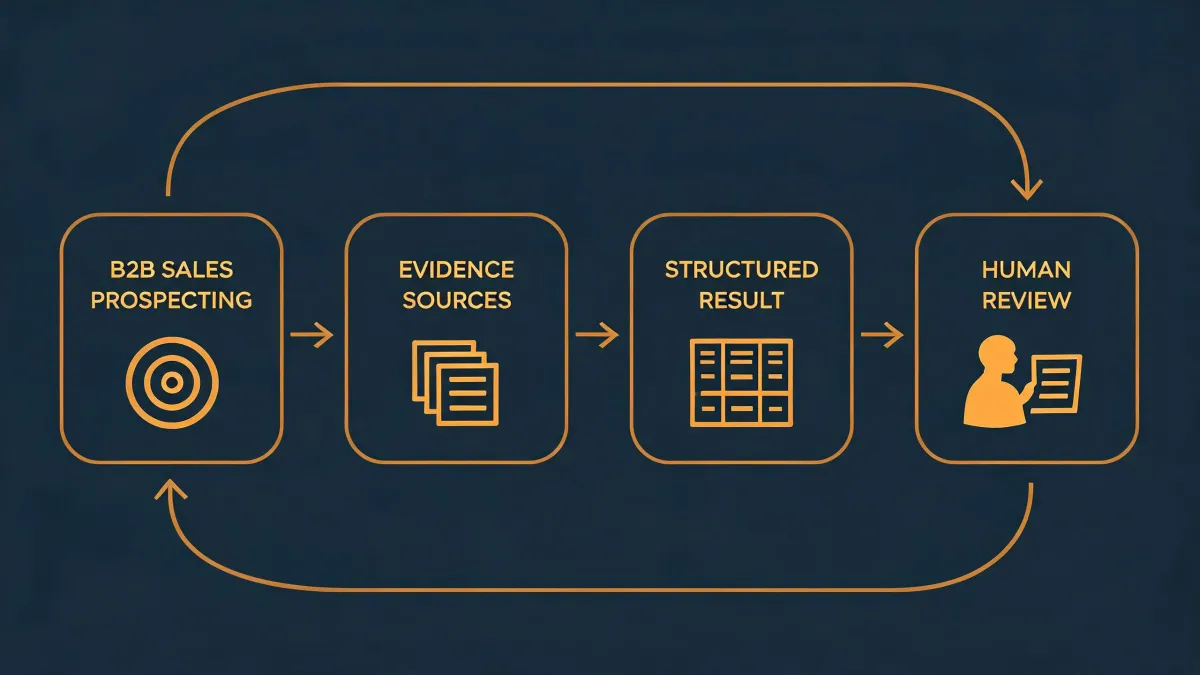
Mistake 3: Adding tools to fix a process gap. The third time we bought a tool before mapping our workflow, I finally created a checklist. Not fancy. It just asks: Which metric changes? What data does this tool need? Who owns the output? That checklist has caught 47 potential errors in the past 18 months. It's not a magic formula. It's a way to force honest answers before the contract is signed.
Salesloft vs. Artisan AI rep: what customer reviews don't tell you
Real talk: most 'Artisan AI rep vs Salesloft' customer reviews compare things that shouldn't be compared. Salesloft is an engagement platform. You bring your own leads, and it automates emails, calls, LinkedIn touches, and follow-up. Artisan AI rep is an AI SDR that, depending on how you set it up, can also source and qualify prospects. They solve different problems.
I get why people compare them. They both sit in the outbound motion, and both vendors have good marketing. But the question isn't 'which product is better?' It's 'what is broken in my sales workflow?' Some teams need lead generation because their pipeline is empty. Others need engagement because their follow-up is slower than it should be. And some need an AI rep because SDRs are buried in repetitive research. Those are different purchases.
To be fair, review sites make this harder. Most reviews are written after a demo or a 30-day trial, not after a full quarter of use. That's a fine starting point, but it's not a purchasing strategy.
What is Sales Navigator export, and when should a B2B sales team use it?
A Sales Navigator export is the process of taking a targeted list of prospects from LinkedIn Sales Navigator and moving it into another tool. Sometimes that's a CSV download. More usefully, it's a native integration with a CRM or a sales engagement platform like Salesloft.
Use it when you've already defined your ideal customer profile and want to launch a focused outbound campaign on a specific segment. For example: 'head of revenue at Series B SaaS companies in New York, 51-200 employees.' That's a rule you can build in Sales Navigator, export, enrich, and load into a Salesloft cadence.
Don't use it as a lazy way to grab 5,000 random contacts. If your ICP is fuzzy, you'll hand your SDRs a list they won't know how to use. The export is execution, not strategy.
One caveat: Sales Navigator exports and data licensing rules change. The limits from Q1 2026 may not be the same next quarter. Verify current documentation before building a pipeline process around it.
CRM enrichment features I'd actually pay for
Once you export a list from Sales Navigator, it's only as good as the data. That's where CRM enrichment features matter. From my perspective, these are the features that matter:
- Deduplication before writing to your CRM.
- Email verification beyond syntax checks, including deliverability checks.
- Phone number coverage where your reps actually need it.
- Job change alerts, so you can spot prospects who moved.
- Compliance handling for GDPR and CCPA.
Salesloft has native CRM integrations that are solid. But enrichment features usually come from a separate source, and that's fine. The key question is whether the integration updates existing CRM records or just creates new ones. The second option is how duplicates happen. Ask that before you buy.
One more thing: enrichment features can make bad data look clean. I'd rather have 300 verified contacts than 3,000 enriched guesses.
Check Salesloft's LinkedIn company page before you write the check
Here's my low-cost due diligence tip: spend 20 minutes on Salesloft's LinkedIn company page. Skip the product tour and the G2 page for a second. Look at the actual company page and dig into the posts.
What I look for:
- Who is posting? Product managers, engineers, and customer success people signal internal health. If it's all marketing fluff, I get skeptical.
- What do employees in comments sound like? Are they explaining real usage or just reposting?
- How does the company respond to critical comments? That tells you more than a support SLA.
- Follow growth is a nice signal, but paid ads can inflate it. Don't make it your only metric.
I'm not a LinkedIn expert, so I can't speak to every algorithm nuance. What I can tell you from a procurement perspective is that a vendor's LinkedIn page often reveals product direction and customer sentiment long before a roadmap call does.
When I'd skip Salesloft
Let me be honest about the boundaries. I'd skip Salesloft if you don't have enough leads to put into a cadence, if your CRM is messy and your ICP isn't defined, or if you're a solo salesperson who needs lead generation more than workflow automation. I'd also skip it if your team won't adopt a structured process. Salesloft rewards discipline; it doesn't create it.
This gets into sales process design territory, which isn't my core expertise. For that, a good sales ops consultant is worth the money.
This article was accurate as of April 2026. Sales technology changes fast, so verify current pricing, feature names, and LinkedIn export terms before making a decision. And if you're doing exports and CRM enrichment across borders, double-check your compliance obligations with someone who knows data privacy law. I don't, and pretending I do would be exactly the kind of mistake I've spent $62,000 trying to prevent.
If you remember one thing: identify the broken step before buying the next tool. A lead generation tool won't fix poor follow-up, Salesloft won't fix an empty pipeline, and an AI rep won't fix a messy CRM. The right starting point is not a product review. It's your own workflow.